

By Alarape Rafiu Abolore
From campaign messages to real-time updates, social media played a major role in the just-concluded Osun State governorship election, giving political parties and candidates a direct channel to reach voters.

Platforms such as Facebook, WhatsApp, TikTok and X were widely used to promote candidates, mobilise supporters and influence public opinion.

It was discovered that some political actors also relied on social media to respond quickly to developments and push their campaign narratives.

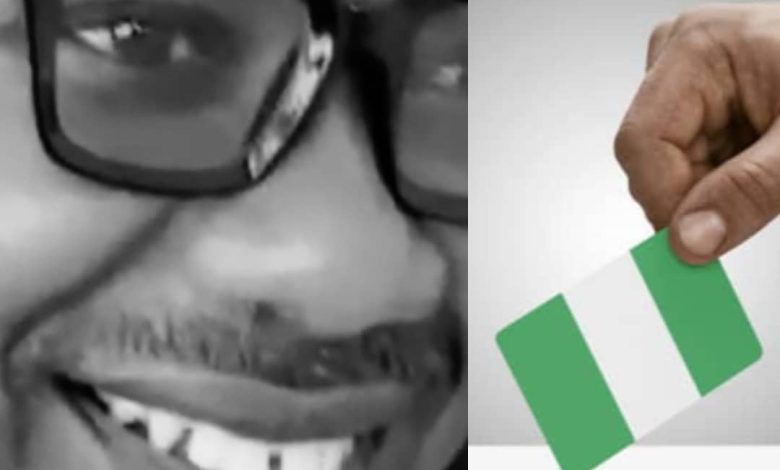
The involvement of popular Nigerian hip-hop artiste, David Adeleke popularly known as Davido, further heightened the digital dimension of the election. With his huge following, particularly among young Nigerians, Davido used his social media platforms to express political views, engage with election-related issues and amplify messages that generated widespread online conversations.

His posts attracted significant attention both home and abroad as well as helped drive political discussions beyond traditional campaign platforms.
But beyond its benefits, the Osun election also exposed the darker side of digital politics. Unverified claims, misleading videos, fake results and politically motivated information circulated across social media, raising concerns about voters’ ability to distinguish facts from misinformation.
For many young voters, social media has increasingly become a major source of political information, shifting part of the political contest from traditional rallies and television to digital platforms.
As political parties prepare for future elections, social media will remain a powerful tool for political engagement.
The challenge is ensuring that platforms are used to promote informed participation rather than misinformation and manipulation.
Alarape Rafiu Abolore , a broadcast journalist, cinematographer and media consultant, writes from Abeokuta, Ogun State.